



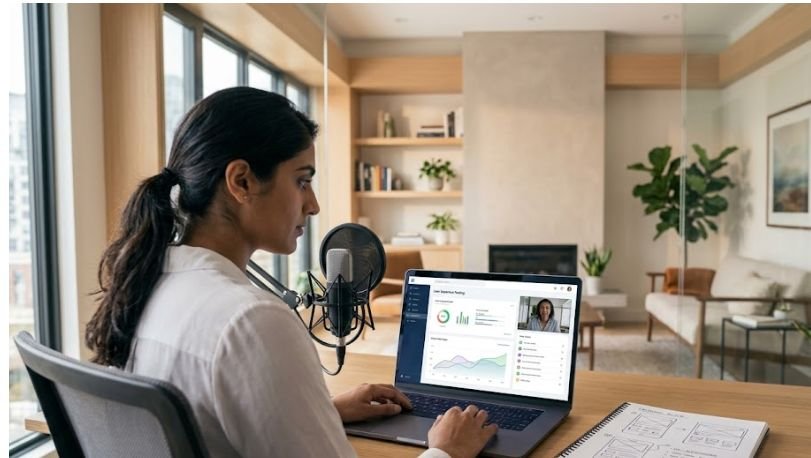

Sitting in a silent digital room waiting for a session to kick off used to make me break out in cold sweats. Staring at blank tiles while hoping someone says something can completely drain the collaborative energy before a single agenda item is introduced.
Figuring out how to navigate these moments led me to explore how virtual icebreakers for meetings can completely reshape remote group connections when deployed with conscious intent.
Key Takeaways
- Low-energy and asynchronous frameworks prevent meeting fatigue while protecting introverted team members from forced performance anxiety.
- Effective facilitation shifts focus from childish games to psychological safety, driving meaningful collaborative workplace dynamics.
- Clear parameters regarding timing, group size, and tools shield remote sessions from awkward structural derailment.
- Practical copy-paste resource assets ensure smooth, immediate implementation for modern remote or hybrid work environments.
Way to Ditch the Corporate Awkwardness
Let us be completely honest about why using virtual icebreakers for meetings is a psychological necessity for distributed teams. Staring at a grid of muted, expressionless video boxes kills human creativity faster than a broken internet connection.
We need a social bridge to transition our brains from isolated deep work into a collaborative group mindset. A brilliant warm-up breaks the digital paralysis, eliminates the dread of forced participation, and transforms cold screens into actual human spaces.
Low-Energy Strategies to Engage Introverted Teams

Forcing remote workers to perform on command always causes emotional withdrawal. A true professional facilitator understands that psychological safety begins by lowering the barrier to initial active participation.
Designing Low-Friction Digital Polls
This or That Polls offer a perfect entry point for teams with varied energy levels. You can launch a rapid-fire poll asking simple questions like Coffee or tea or Mountain cabin or beach house using your native Zoom or Teams features.
Once the anonymous data streams in visually, invite a few volunteers to explain their answers in the live chat window. This method creates instant engagement without forcing any single introverted teammate directly into an uncomfortable vocal spotlight.
Using Camera Status for Inclusive Fun
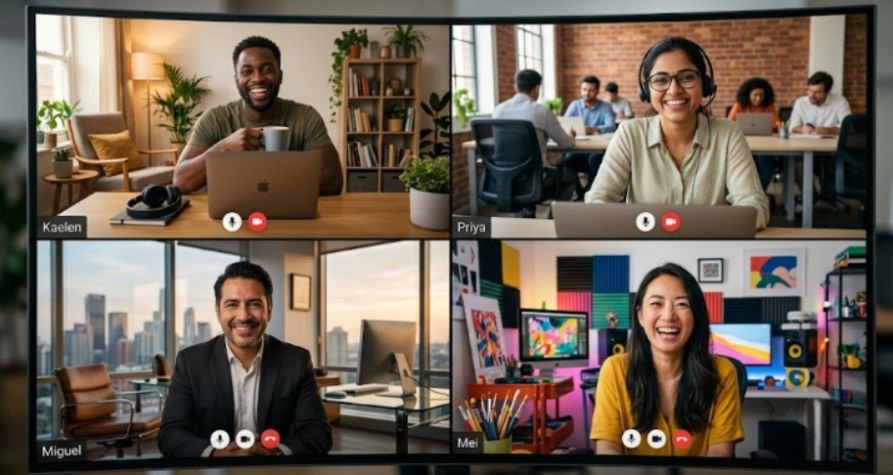
Camera Bingo or Have You Ever flips the traditional video dynamic on its head to maximize comfort. Start the activity by instructing everyone to turn off their cameras completely. The facilitator reads out relatable remote-work prompts, such as Turn your camera on if you have ever hidden clutter out of frame to make your room look clean.
Watching video boxes pop open simultaneously creates a shared laugh and visual camaraderie based on mutual remote work experiences.
Checking Moods via Simple Symbols

The Emoji Check-in provides an exceptionally fast way to read the room without putting anyone under pressure. Simply ask your team to drop a single emoji in the main chat box that best describes their mood or energy level for the day.
Scanning a sudden colorful waterfall of thumbs-up signs, sleepy faces, or coffee cups gives the facilitator instant cultural data. This low-stakes interaction lets people signal their current presence safely while establishing mutual group empathy.
Fast Activities Requiring Zero Preparation Time
Structured facilitation always falls apart when the underlying rules remain confusing or vague. Having concrete, copy-paste resources ready ensures your remote sessions launch smoothly every single time.
Bringing Physical Items Into Focus
Show and Tell leverages the unique environment of the home office to spark organic conversations. You can ask everyone to quickly grab a random item from their immediate desk area and explain its story in thirty seconds.
Participants share the backstories of strange trinkets, unique coffee mugs, or old notebooks they keep nearby. This exercise reveals fascinating personal histories naturally, giving colleagues a genuine peek into each other’s worlds outside of pure work roles.
Popcorn Style Sentence Finalization
Sentence Completion builds rapid vocal momentum across the entire group roster. The facilitator provides an open-ended prompt for the team to popcorn out loud sequentially. Excellent examples include One thing I am curious to learn more about this week is or A minor inconvenience that happened to me this week was.
Keeping the responses brief prevents the exercise from dragging while ensuring every person contributes their voice to the acoustic space early on.
Master Real-Life Virtual Icebreakers for Meetings
Applying these interactive strategies effectively requires a clear understanding of practical facilitation techniques.
Using facilitation methods for cross functional teams can help remote groups balance participation, manage different communication styles, and move smoothly from an icebreaker into productive collaboration.
Moving smoothly from initial setup to full team engagement demands strict adherence to programmatic rules.
Defining Strategic Purpose First
Select your specific activity based on the core purpose of the upcoming meeting. Strategic alignment prevents the warm-up from feeling like an annoying distraction from the real corporate agenda.
Provide clear boundaries so that quiet or anxious team members understand exactly what is expected of them before any action begins.
Modeling Vulnerability From the Top
The facilitator must always share their own response first to model vulnerability and set the general tone. Leading the way reduces group hesitation and gives participants a safe structural template to follow.
When tension or disagreement surfaces, conflict resolution facilitation methods can help the facilitator reframe concerns, protect balanced participation, and restore psychological safety before continuing.
For tips on how to keep the energy up and ensure everyone has a turn to speak without awkward pauses, establish a clear passing order where each speaker nominates the next person.
Controlling the Clock Strictly
Monitor the clock closely and transition into the formal agenda the exact moment the energy peaks. Ending the activity promptly leaves the group feeling refreshed and focused rather than socially exhausted. Seamlessly pivot the momentum into your main presentation deck while the collective engagement remains at its highest point.
Frequently Asked Questions
1. What is a fun ice breaker for a virtual meeting?
A highly effective option is using virtual icebreakers for meetings like the Desk Photo Guessing Game. Team members upload a picture of a random item on their desk to a shared space, and everyone tries to guess who the specific item belongs to via chat, which sparks instant laughter.
2. What is a fun ice breaker game for a work meeting?
Two Truths and a Lie remains an excellent option for corporate settings. Employees share three quick personal statements aloud, and the rest of the group votes using polling tools to uncover the single false claim, creating a great environment for storytelling.
3. What are 5 great ice breaker questions funny for work?
Great options include asking about the absolute worst fashion choice from high school or a minor pet peeve that drives someone completely insane. Other excellent prompts include asking what commercial jingle is permanently stuck in your head, your weirdest signature recipe, or which celebrity would play you in a movie.
4. What is the 3 P’s ice breaker?
The 3 P’s stands for Personal, Professional, and Peculiar. Participants share one quick update regarding their personal life, one current professional focus, and one completely peculiar or unique fact about themselves, which helps teams connect on multiple distinct levels very quickly.
Ending the Awkward Silence for Good
Transforming ordinary corporate gatherings requires moving past standard, uninspired routines toward thoughtful interaction design. True inclusion means providing diverse spaces for both vocal extraverts and quiet analytical minds to connect comfortably.
Utilizing these human-centric virtual icebreakers for meetings protects your remote team’s valuable energy while building authentic, lasting workplace relationships. Focus on intentional facilitation, respect individual boundaries, and watch your team’s creative collaboration thrive.