


Comfort is the difference between a knife you admire and a knife you actually carry. With EDC knives, the best design is rarely the flashiest one. It is the one that disappears into the routine: easy to open, easy to hold, easy to trust, and easy to forget until you need it. That sounds simple, but it requires a careful balance of ergonomics, weight, geometry, and carry style.
For Knafs, that balance is central to the brand’s practical-first approach. The company’s lineup reflects a useful truth about everyday carry: a knife does not have to be large, aggressive, or overbuilt to be effective. It has to feel right in the hand and unobtrusive in the pocket. When a knife is comfortable, it gets used more often and with less hesitation.
Comfort Starts Before the Blade Is Ever Opened
A lot of people judge a knife by steel, edge retention, or blade shape first. Those matter, but comfort starts earlier. The first question is whether the knife feels easy to live with before it ever cuts anything. That means pocket carry, scale texture, weight distribution, and how naturally the knife sits against the body throughout a normal day.
A comfortable everyday carry knife should reduce friction in ordinary use. If it snags when you sit down, prints too obviously in a pocket, or feels bulky during repeated movement, it becomes a knife you consciously manage instead of one you naturally carry. That is a bad trade for a tool meant to be present all day.
The same principle applies when identifying service delivery gaps, where small points of friction can reveal weaknesses in the overall customer experience.
The best-designed EDC knives tend to solve several everyday friction points at once:
- They carry flat enough to avoid constant awareness.
- They have a handle shape that fills the hand without feeling oversized.
- They offer a secure grip without harsh hotspots.
- They open and close in a way that feels predictable, not fussy.
- They are light enough for daily carry, but substantial enough to feel controlled.
Knafs leans into that practical reality. Rather than treating comfort as an afterthought, the brand’s designs reflect the idea that a knife should fit into the day as naturally as a pen, notebook, or phone.
Handle Design Is the Real Comfort Test
The handle is where comfort becomes personal. A blade can look ideal on paper, but if the handle digs into the palm or indexes awkwardly, the knife loses its appeal fast. In practice, the handle determines whether the user can make controlled cuts without fatigue during routine tasks like slicing tape, opening packaging, or breaking down boxes.
Shape Matters More Than People Expect
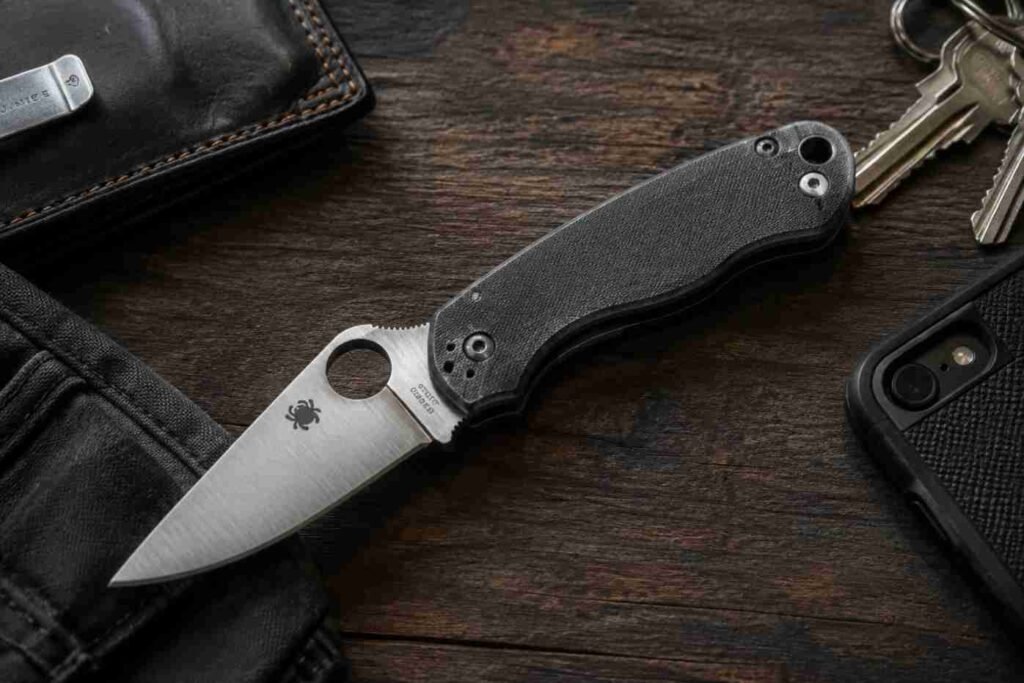
A handle does not need dramatic sculpting to be comfortable. In many cases, simplicity works better. Gentle curves, a secure finger placement, and enough length to avoid cramping are more useful than ornamental milling. When a handle lets the hand settle in naturally, grip effort goes down, which matters during repetitive daily tasks.
That is why many users prefer knives that feel neutral in hand. Neutral does not mean boring. It means the shape supports the cut instead of fighting it. For EDC knives, that neutrality often translates into better long-term comfort than aggressive styling ever could.
Texture Should Support, Not Punish
Surface texture is another factor people underestimate. Smooth handles can feel pleasant in light use, but they may lose security when the hand is wet or tired. Overly rough textures can do the opposite: they provide traction, but become irritating during extended handling. The ideal is a middle ground.
Materials like Micarta and G10 are popular for a reason. They can provide dependable grip, durability, and a tactile feel that still works for pocket carry. On select Knafs models, those materials help support the everyday balance between control and comfort without making the knife feel harsh in the hand.
Opening, Lockup, and Closing Should Feel Effortless
A comfortable knife is not just about grip. It is also about mechanics. If deployment feels clumsy, stiff, or unpredictable, the knife becomes mentally tiring. That does not sound like a physical comfort issue at first, but it is. Tools that are easy to use feel better because they create less hesitation and less friction in the moment.
The best folding designs feel intuitive from day one. The knife opens cleanly, locks confidently, and closes without unnecessary drama. In a daily-carry context, that matters more than many buyers realize. A knife used for a dozen small tasks in a week should not feel like a project each time it is handled.
This is where thoughtful mechanisms make a difference. A lock type that is easy to understand and operate can improve the user experience more than a slightly more exotic feature set. The Knafs catalog shows this philosophy clearly, especially in models designed around practical, friendly use rather than spectacle.
For some users, comfort also means confidence. A blade that feels secure in operation reduces the need to overgrip or second-guess the tool. That comfort is subtle, but it is real. It is the difference between a knife that feels like a burden and one that feels like a reliable extension of the hand.
The Right Size Depends on the Job, Not the Hype
There is no single “perfect” size for everyday carry. Comfort depends on how the knife will actually be used. A person who opens boxes and mail at a desk has different needs from someone who spends time outdoors, fixes gear, or wants a compact blade that can handle both indoor and campsite chores.
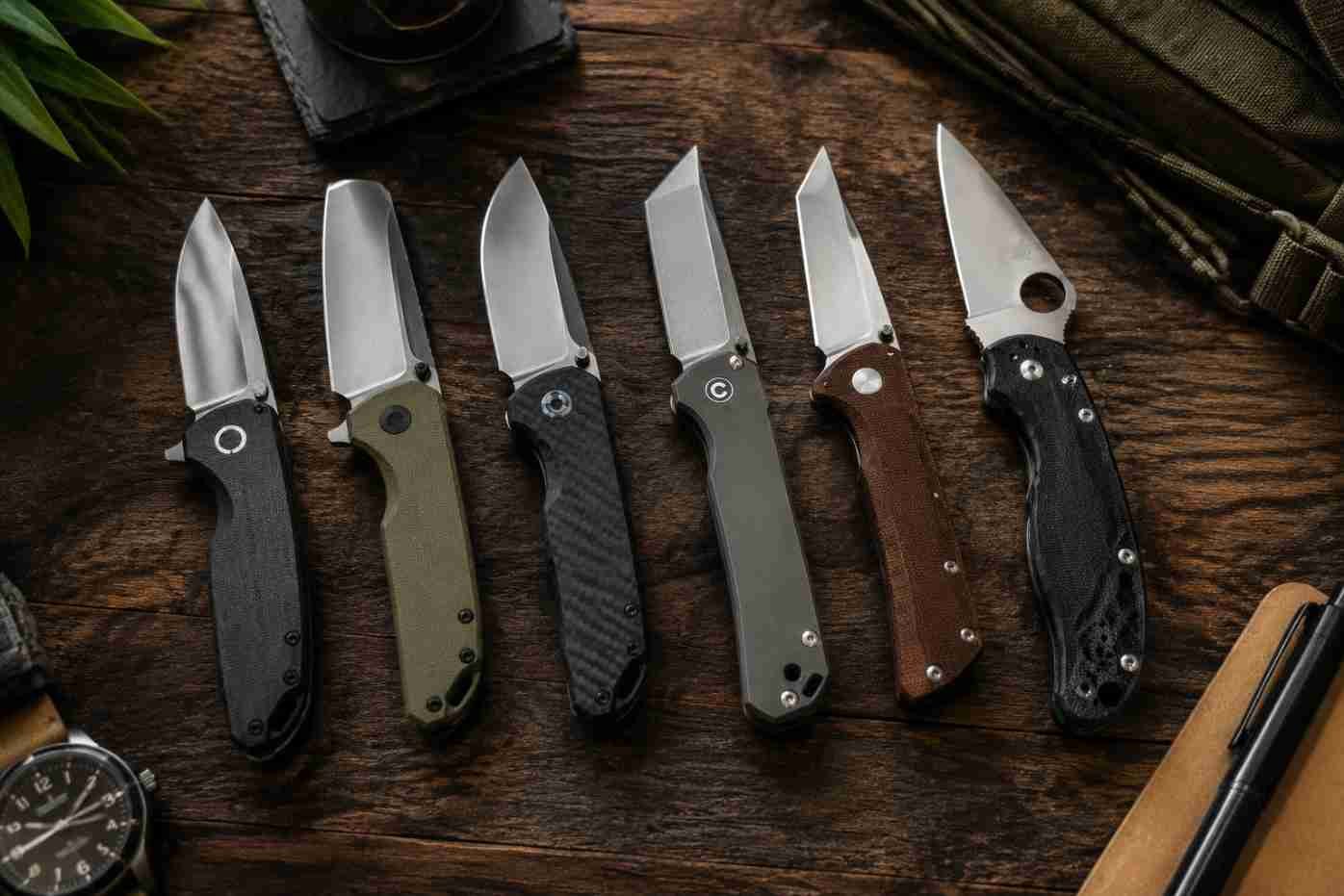
That is why Knafs offers a range of formats, including folding pocket knives, compact fixed blades, and smaller carry options. Different use cases demand different forms of comfort.
Folding Knives for Low-Friction Daily Carry
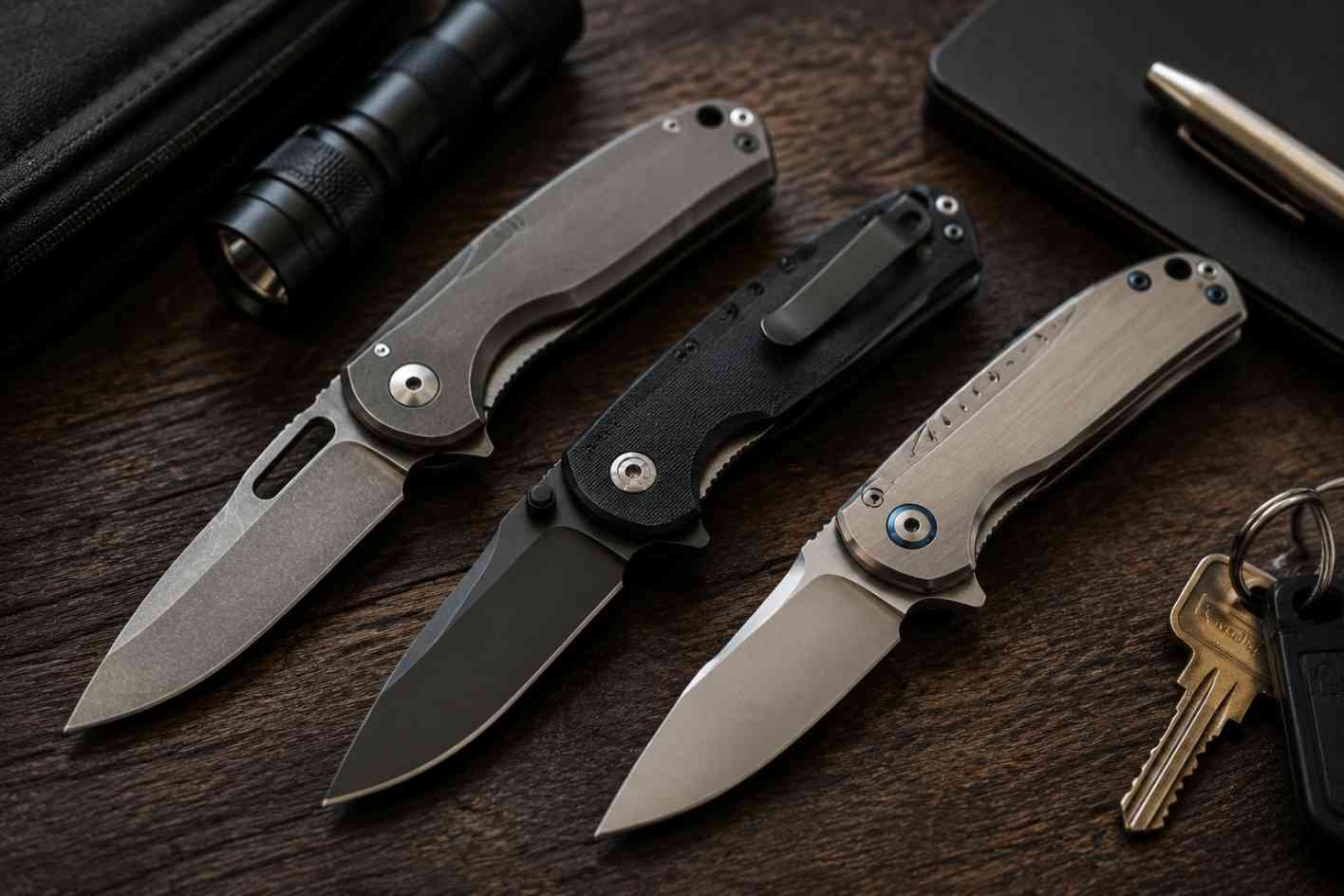
Folding knives usually win when the goal is convenience. They disappear more easily in a pocket, are generally easier to carry in an office or urban environment, and tend to be better suited to quick, frequent tasks. For many people, that is the core of everyday comfort: a knife that is there when needed and otherwise stays out of the way.
Fixed Blades for Simpler, More Direct Use
Compact fixed blades solve a different problem. They can feel more direct in use and can be easier to clean or maintain in certain contexts. For users who want a knife for both everyday carry and occasional outdoor work, a small fixed blade can be a comfortable solution, especially if the sheath and carry setup are well thought out.
The point is not that one type is always better. It is that comfort comes from matching the tool to the actual routine. A knife that is perfect in theory can still be annoying in real life if its size or carry method does not fit the day.
Knafs Makes Comfort More Customizable Than Most Brands
One of the more useful things Knafs does well is give users room to tune the experience. Not every knife needs to be customized, but the ability to adapt a knife to your preferences is a meaningful comfort advantage. The Lander series is a good example, since its modular approach and easy scale swaps let users change the feel of the knife without replacing the whole tool.
That matters because comfort is not a universal standard. Some people want a more tactile handle. Others want a smoother pocket feel. Some prefer a knife that disappears in carry, while others want something a little more substantial in the hand. Adjustability helps close that gap.
Knafs also supports a wide range of preferences across the catalog. Some buyers want budget-conscious entry points. Others want premium options with steels such as MagnaCut or S35VN. Comfort is not only about materials, but materials do shape the experience over time. A knife built with the right combination of steel, scales, and geometry can feel more balanced, more secure, and more pleasant to carry day after day.
If you want to explore the lineup directly, the Knafs EDC knives collection is a useful place to compare different sizes, mechanisms, and carry profiles in one place.
What Strong Operators Look For When Choosing an Everyday Knife
The most experienced EDC users rarely chase features in isolation. They think in terms of friction reduction. That is a smarter way to choose, because comfort is cumulative. A small annoyance in the pocket, a slight hotspot in the grip, or a blade that feels awkward to deploy can all add up until the knife stays home more often than it should.
The same practical approach applies to choosing the perfect bed frame for your bedroom, where comfort, size, functionality, and how the piece fits into your daily routine all matter.
A strong buying framework usually looks like this:
- Choose a size that fits your actual carry environment.
- Prioritize a handle that feels natural before chasing premium steel.
- Test whether the knife opens and closes cleanly, not just whether it looks good.
- Consider how often you will hold it, not just how often you will cut with it.
- Look for materials and textures that balance grip and comfort.
- If possible, choose a design that can adapt as your preferences change.
That last point is where Knafs stands out. The brand’s approachable, practical design language makes it easier for users to find a knife they can actually live with. The goal is not to impress for a week. The goal is to make the knife earn its place in the pocket over months and years.
Comfort Is the Feature That Keeps a Knife in Rotation
The most comfortable EDC knives are the ones that remove decision-making friction. They do not demand attention, they do not punish normal use, and they do not feel like a compromise every time they come out of the pocket. That is what makes them valuable. Comfort is not a luxury feature in everyday carry. It is one of the main reasons a knife becomes part of a routine.
Knafs understands that better than most brands because its products are built around practical use first. Whether the choice is a folding knife, a compact fixed blade, or a more customizable model from the Lander series, the underlying question stays the same: does this tool make daily life easier?
If the answer is yes, the knife is not just comfortable. It is worth carrying.